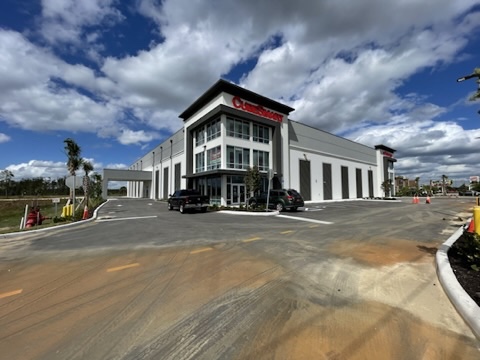
If you’re considering purchasing or leasing commercial property in Florida, it’s essential to understand the inspection process. A commercial property inspection is a thorough examination of a building to identify potential issues and ensure safety. Here’s what you can expect during a commercial property inspection, especially in high-demand areas like Miami, Orlando, Tampa, and Jacksonville.
- Pre-Inspection Preparation
Before the inspection, the inspector will gather relevant information about the property, including its age, type, and any previous inspection reports. It’s a good idea for property owners or potential buyers to be present during the inspection to ask questions and gain valuable insights.
- Exterior Inspection
The exterior of the building is typically the first area assessed. Inspectors will look for structural integrity issues, such as cracks in the foundation, roof condition, gutters, and drainage systems. They will also check the landscaping and parking areas for proper conditions. In sunny Florida, ensuring your building withstands the weather is crucial, especially in coastal regions.
- Interior Inspection
Inside the property, inspectors evaluate the floors, walls, ceilings, and windows. They check for signs of water damage, mold, and structural problems. Inspectors will also assess HVAC systems, plumbing, and electrical systems to ensure they are functioning correctly and comply with safety standards.
- Systems Check
Key systems in the building, including heating, ventilation, air conditioning (HVAC), plumbing, and electrical, will undergo thorough examination. In commercial properties in high-demand areas like Miami and Orlando, ensuring these systems are efficient is essential for maintaining a comfortable and safe environment for tenants and visitors.
- Safety Features
Assessing safety features is a crucial part of the inspection. This includes checking fire alarms, sprinkler systems, emergency exits, and accessibility for individuals with disabilities. Ensuring compliance with local safety regulations is vital for protecting both occupants and property investments.
- Pest Inspection
Inspectors will also look for signs of pest infestations, such as termites or rodents. Florida’s warm climate can make properties more susceptible to pests, so identifying and addressing these issues is vital before finalizing any property deal.
- Post-Inspection Report
After completing the inspection, the inspector will provide a detailed report outlining their findings. This report will highlight any issues that need attention, from minor repairs to significant structural concerns. This information can be crucial for negotiation purposes, helping buyers make informed decisions.
Key Areas for Commercial Properties in Florida
Florida’s booming real estate market attracts many investors, with high-demand areas including:
- Miami: Known for its vibrant retail and hospitality sectors, Miami has a vast array of commercial properties.
- Orlando: A hotspot for tourism and entertainment, Orlando’s commercial properties often focus on hospitality and service.
- Tampa: With a growing business community, Tampa offers diverse commercial property options, including office spaces and warehouses.
- Jacksonville: This city is known for its industrial properties and logistics facilities due to its strategic location.
Conclusion
Understanding what to expect during a commercial property inspection is essential for anyone involved in Florida’s real estate market. By being informed, you can ensure your investment is safe and sound. If you’re looking for a reliable and thorough commercial property inspection in Florida, contact us today to learn more about our services and how we can assist you in your investment journey!
www.ccpia.org for more information

Leave a Reply